
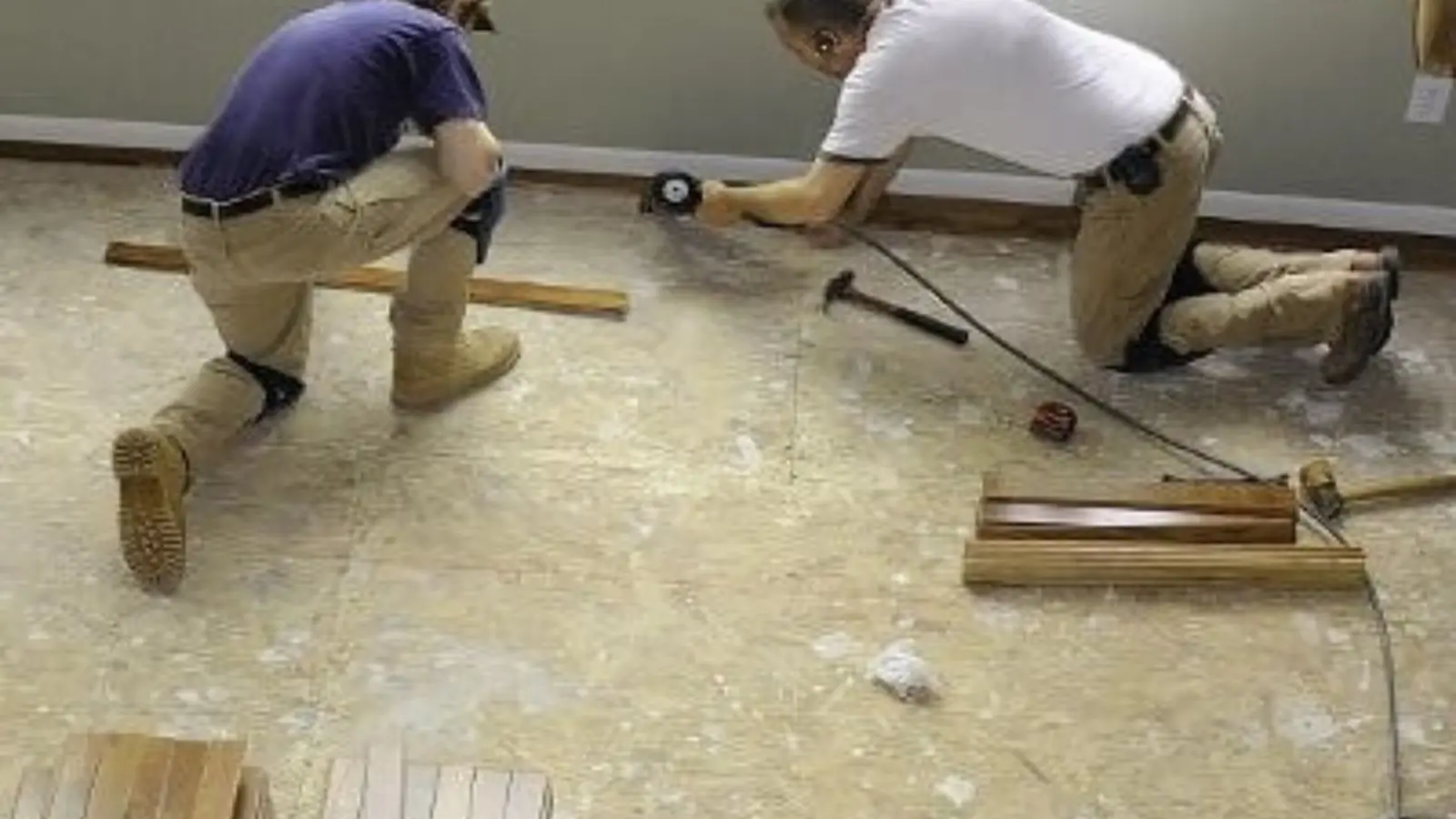
Repair from water damage is the last stage of a longer process. Before a single board goes up, the leak has to be fixed, the building has to be dry and the damage has to be documented. Skipping any of those steps is the most common reason a repair fails a few months later with a new stain or a musty smell.
This guide walks through the order of work in a typical San Pedro house or condo. It assumes the water has stopped. If water is still running or standing on a floor, begin with emergency water removal and come back here afterward.
Step one: fix the source and take photos
A repair is only as good as the fix behind it. Find out whether the water came from a roof, a supply line, a drain or an appliance, and have that repaired by the right trade. Painting over a stain that is still being fed by a leak just hides the problem.
Photograph everything before demolition, including wide shots of each room and close-ups of stains, warped trim and wet carpet. Keep receipts for any emergency work. These records help with an insurance claim and give you a baseline when you compare repair estimates.
Step two: dry the structure first
Wet framing and subfloor can look fine on the surface and still hold moisture. A moisture meter gives numbers, and a thermal camera shows cool damp zones behind paint. The standard approach is professional drying with air movers and dehumidifiers until daily readings reach dry standards, which the water mitigation page explains in detail.
Rushing past this step is how mold gets sealed inside a wall. If readings are still high, the drywall should stay open.
| Stage | What happens | Done when |
|---|---|---|
| Stop the source | Leak or entry point is repaired | No new water appears |
| Dry | Equipment runs and readings are logged | Readings match dry reference |
| Demolish | Ruined drywall, padding and insulation come out | Only sound material remains |
| Rebuild | New board, flooring, paint and trim | Finishes match the room |
Step three: room by room repairs
Ceilings are cut back to solid drywall, treated with a stain-blocking primer and repainted. Walls follow the same pattern, with insulation replaced where it got wet. For a closer look at wall work, the repair service page covers the common cases.
Floors depend on the material. Carpet and padding are usually replaced after contaminated water. Hardwood can sometimes be dried and saved, while laminate swells and often has to go. Tile floors usually survive, but the underlayment and cabinet bases beside them may not.
Cabinets and trim are checked for swelling at the base. If the particleboard has expanded, it does not shrink back, and replacement is normal.
Step four: finishes and paint
Once structure and surfaces are sound, finishes go on. Matching texture and paint on an older ceiling can take extra steps, so ask whether the estimate includes the full wall or ceiling to the nearest corner. A patch that stops mid-wall often shows a line when the light hits it.
San Pedro note: winter rain and permits
The area gets roughly 14 inches of rain a year, and January through March are the wettest months at roughly three inches each. That is when roof leaks announce themselves, so the repairs that follow often land in spring. If you can, schedule roof repair before interior finish work.
Home projects in San Pedro fall under the Los Angeles Department of Building and Safety, which reviews plans, issues permits and inspects work. Replacing a few sheets of drywall may not need a permit, but plumbing, electrical and structural work often do, so ask the department before you start.
When to bring in a crew
You can handle a small patch yourself if the area is dry and the water was clean. A crew is the better choice when the water was contaminated, when more than one room is affected or when the leak has been going on long enough to cause sagging or soft spots. Crews also provide written scopes that help with insurance.
The same approach applies in nearby areas. Owners in Torrance and renters in Wilmington follow the same order, though the paperwork differs between owners and tenants.
Keep a repair log as you go
Write down each step with a date, a photo and the name of whoever did the work. A simple log makes it easier to compare bids, answer an insurer and spot a step that was skipped.
Not sure the structure is dry? Call and ask about moisture readings before you rebuild.
☎ Call (424) 550-5662Questions about repairing water damage
How long should I wait before starting repairs?
Wait until moisture readings show the structure is dry, usually after drying equipment is removed. Starting earlier risks trapping moisture.
Do I need a permit to fix water damage in San Pedro?
It depends on the scope. Ask the Los Angeles Department of Building and Safety before you replace plumbing, electrical or structural parts.
Can I paint over a water stain?
Only after the area is dry and the leak is fixed, and with a stain-blocking primer.
Should I get more than one estimate?
Yes, and ask each to explain scope in writing so the numbers can be compared.
Is a roof leak in January treated differently from a pipe leak?
The interior repair is similar, but the roof must be fixed first. A roofer handles the entry point, and the interior follows once it is dry.