
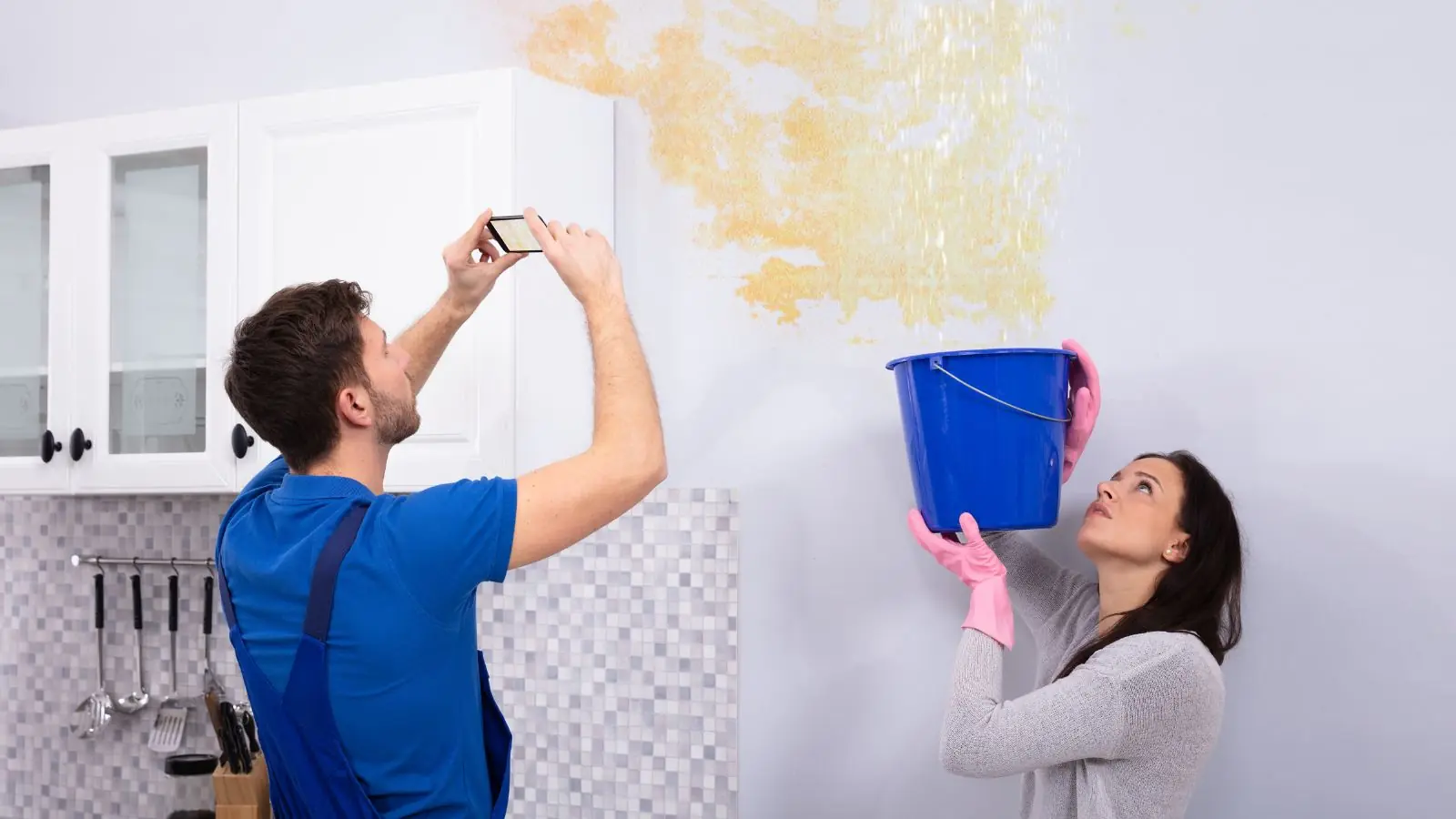
A renter policy protects what you own. When a supply line bursts or the unit above you leaks, the policy may pay for ruined furniture, clothes and electronics, and it may help with hotel costs if you cannot stay. The walls, flooring and plumbing belong to the landlord and fall under the landlord's insurance.
Policies vary a lot, so use this article as a checklist and read your actual policy. Nobody can promise that a claim will be approved, and nothing here replaces a conversation with your insurer.
What renters insurance usually looks at
Most policies cover water damage that is sudden and accidental, such as a pipe that bursts, a water heater that fails or an appliance that overflows. They often exclude damage from gradual leaks, long neglect and flooding from outside. Flood coverage is a separate policy.
Many policies also include loss of use, which can help with temporary housing while a unit is repaired. Read the wording closely and ask your insurer how it applies to your situation.
| Situation | Often covered by renters policy | Often covered by landlord policy |
|---|---|---|
| Your furniture ruined by a burst pipe | Yes, if the cause is covered | No |
| Damaged walls and flooring | No | Yes, usually |
| Flood from outside | Usually no, flood coverage is separate | Usually no for the same reason |
| Hotel stay while repairs happen | Often under loss of use | Sometimes, depends on the lease and policy |
What to do in the first day
Stop the water if you can, then tell the landlord or manager in writing. Take photos and videos of the damage, the source and every item that was wet. Write a list of belongings with approximate values and keep any receipts you have.
Move belongings out of water and keep damaged items until the adjuster has seen them, unless they are hazardous. Calling a crew early reduces the damage and produces moisture readings that help the claim. The emergency water removal page explains what extraction involves.
Who pays for cleanup in a rental
The building owner is generally responsible for repairing the structure, and the tenant is responsible for personal belongings. Cleanup and drying are usually the landlord's job, and the tenant can call in an emergency if the landlord cannot be reached. Ask who will authorize and pay before any non-emergency work begins.
We cannot give legal advice, and your lease controls many details. The most useful step is to keep a written record of every message to and from the landlord.
San Pedro note: renters across the harbor area
Census-era figures show that about six in ten homes in Wilmington and about 54 percent of homes in Harbor City are rented, which is higher than many parts of the region. In San Pedro, tenants in Fort MacArthur's privatized housing report problems through their housing office, and tenants elsewhere report to a manager or owner.
The California Department of Insurance publishes consumer guides on claims on its website, and they are a neutral place to read about the process. For leak sources outside your unit, the manager is the right first call.
Common mistakes renters make
- Waiting a day or two to tell the landlord, which makes the damage larger and the paperwork harder.
- Throwing away damaged belongings before taking photos.
- Assuming the landlord's insurance will pay for personal items.
- Running fans over wet carpet without checking whether drying equipment is needed.
Tenants in nearby Harbor City and Wilmington call for the same reasons, and the same written-notice habit applies. If the leak came from the unit above, document it and report it the same day.
Questions to ask your insurer before you need them
- Does my policy cover sudden pipe bursts but exclude slow leaks?
- What is the limit for personal property and for temporary housing?
- Is there a separate deductible for water claims?
- Does the policy cover water that backs up through a drain?
- How long do I have to file after the loss?
Keep the answers in writing. Call the number on your policy, not a number from a search result, and ask for the reply by email so you have a record. If a neighbor above you caused the leak, ask whether their liability coverage may respond, and keep every photo and receipt until the claim closes.
Renters in older buildings should also read the lease for rules about reporting leaks. Telling the manager quickly in writing protects both your belongings and your position if the cause is disputed.
Water in a rental? Call the 24/7 line to stop the damage, and tell your landlord in writing today.
☎ Call (424) 550-5662Questions about renters insurance and leaks
Does renters insurance cover a leak from the unit above?
It may cover your belongings if the cause is covered. The landlord's insurance usually handles the building. Check your policy and report it quickly.
Do I need flood insurance as a renter near the coast?
Flood is usually excluded from a standard renters policy. Ask your insurer about separate flood coverage if your unit is low or near water.
Can I call a restoration company myself?
In an emergency you can call to stop the damage. Tell your landlord at the same time and ask who will authorize further work.
Who in San Pedro do I report a leak to if I live in base housing?
Report it to the housing office that manages your unit, then call us if water needs to be removed the same day.
What if my landlord refuses to repair it?
Keep a written record and ask the city or a tenant resource about your rights. We cannot give legal advice.