
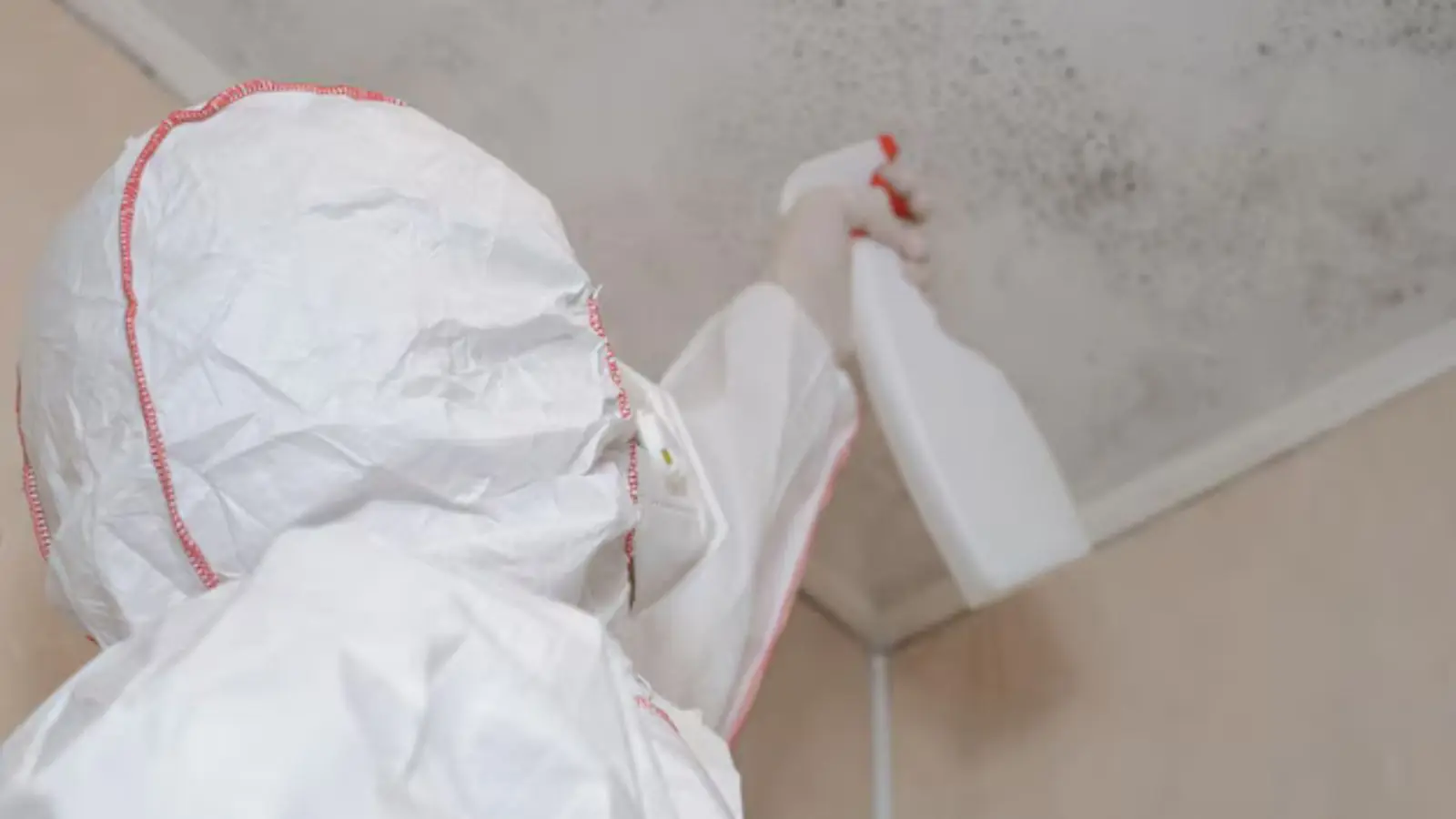
Black mold has a reputation, and it makes homeowners panic. In practice, mold comes in many colors, and color alone does not tell you the type or how serious it is. A white patch can need more work than a dark one. The plan depends on how large the growth is, what it has grown into and where the moisture came from.
This guide explains what to do with dark spots on a ceiling. It does not cover health effects, which belong to a physician. If you have concerns about symptoms, talk to your doctor, and ventilate the room while you decide next steps.
Why ceilings grow mold
Ceilings collect moisture from above and from the room. A roof leak, an upstairs bathroom, a condensate line from an air conditioner, a poorly vented bath fan and cold spots near exterior walls are all common causes. A closet ceiling can stay damp when air does not move, and an attic with poor ventilation can send condensation down.
Mold forms where moisture lingers for more than a day or two. That is why fast drying after a leak is the best protection, and why the water mitigation page matters even for what looks like a small spill.
| Situation | Likely moisture source | Next step |
|---|---|---|
| Spots near a corner of an exterior wall | Condensation or roof leak | Check the roof edge and insulation, and track humidity. |
| Spots below an upstairs bathroom | Supply or drain leak | Have a plumber check, then request moisture readings. |
| Spots in a bathroom ceiling | Steam with weak ventilation | Fix the fan, clean small spots and monitor. |
| Brown ring with black center | Past leak that stayed damp | Request an assessment, because drywall is likely wet. |
Why painting over it fails
Paint does not kill mold, and the spots usually bleed back through. Stain-blocking primer covers a cleaned stain, but only after the ceiling is dry and the source is fixed. A painted-over patch with moisture inside will bubble, peel or darken again within months.
Cleaning a small patch on a hard painted ceiling is a reasonable first step if the board is firm and the source is fixed. Soft drywall, large areas and repeat growth mean it is time for an assessment. The mold remediation page explains containment and removal.
What a professional assessment includes
Find the moisture
Meters and thermal imaging show where water traveled and whether it is still there.
Define the area
The extent of growth and affected material is mapped.
Plan containment
Barriers and negative air keep spores from spreading during removal.
Verify the result
A visual check and, if you wish, independent clearance testing confirm it.
San Pedro note: closely built neighborhoods
Census data for ZIP code 90732 shows about 5,982 people per square mile, so many San Pedro homes sit close together and share walls or property lines. A ceiling leak in a townhome or duplex can affect the neighbor, and mold in one unit can have a source next door. Tell neighbors and managers early.
The Los Angeles Department of Building and Safety handles code enforcement and permits in the city, so ask the department before you open walls or replace roofing framing. For tenants, a written notice to the landlord is the first step.
Testing and real estate questions
People often ask for mold testing before a sale or after repairs. Independent clearance testing, done by a third party, can verify a result, but whether a lender or buyer accepts a report is up to them. Ask what they require first so you order the right test.
For nearby homes, Torrance and Rancho Palos Verdes sellers see the same questions, and the same approach applies. If water caused the mold, the cleanup page explains how wet materials are handled first.
A safe order of work for a small patch
Stop the water
Find and fix the leak above the ceiling first.
Protect the room
Cover the floor, close vents and open a window if the weather allows.
Wear protection
Use a fitted respirator, goggles and gloves.
Clean lightly
Wipe with detergent and water, rinse and dry fully.
Replace if soft
Cut out board that crumbles or stays stained and damp.
A patch bigger than a few square feet, a soft ceiling or growth that returns after cleaning all call for a crew. Take photos before and after so the record shows what you found and what you did.
Dark spots on your ceiling? Call to describe them and ask about an assessment.
☎ Call (424) 550-5662Questions about black mold on a ceiling
Is black mold always more dangerous than other colors?
Color does not tell you the type or the risk. Questions about health belong with a physician, and the building plan depends on size and cause.
Can I clean ceiling mold with bleach?
On a small hard surface, a cleaner can lighten the stain, but it does not fix moisture or reach into porous material.
Why does the mold keep returning?
Moisture is still present. Find and fix the source, then dry the area.
Do I need testing in San Pedro before removal?
Not always. Visible growth with a known cause can go straight to a plan, and testing helps when a lender, landlord or buyer asks.
Who is responsible in a rental?
That depends on the lease and local law. Document the mold, notify the landlord in writing and keep copies.