
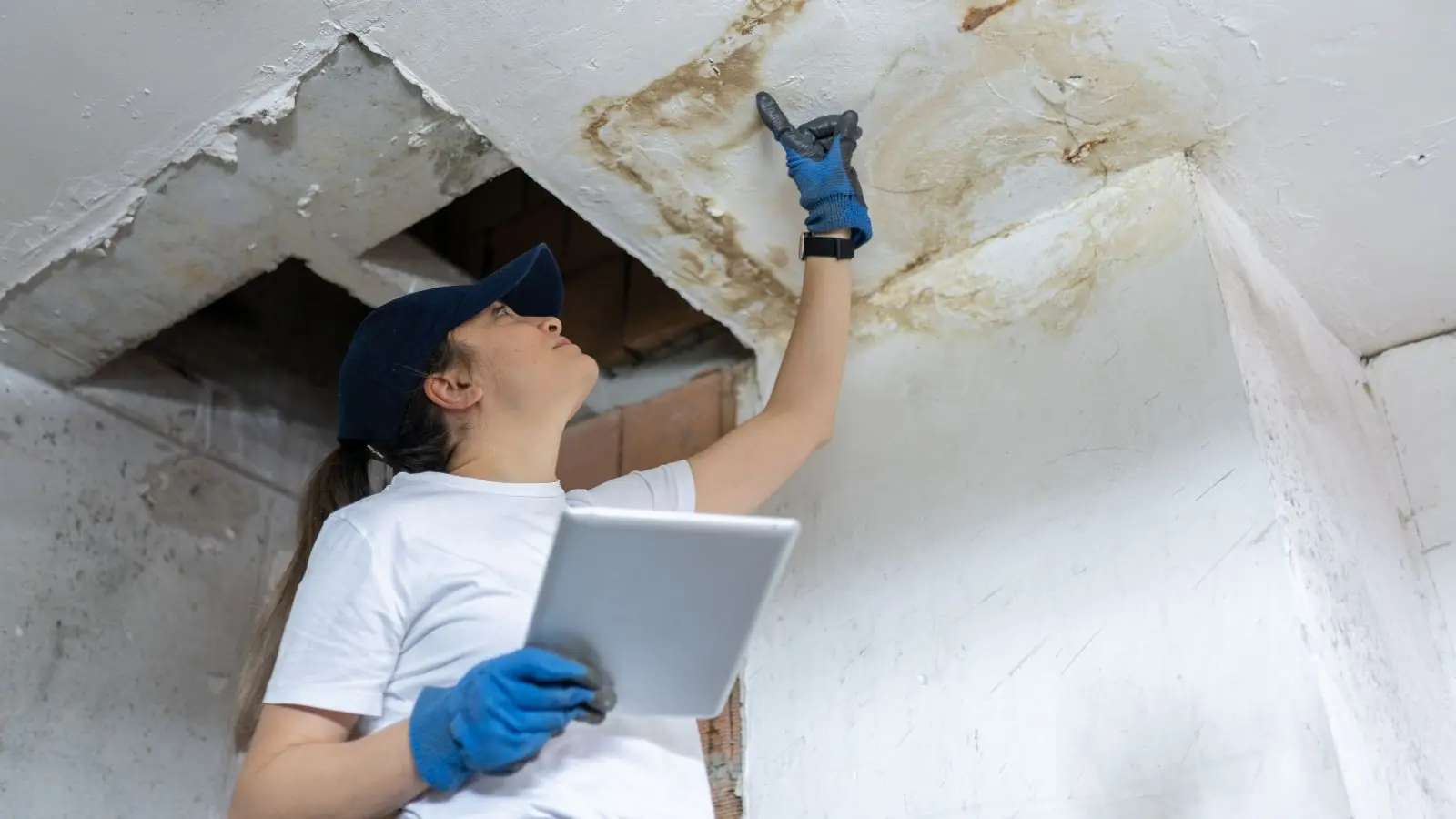
Condo water damage is a two-policy problem. The association carries a master policy that usually covers the building and common areas, and you carry a condo policy that usually covers the inside of your unit and your belongings. Where one ends and the other begins depends on the association's governing documents.
Policies differ and nobody can promise a claim will be approved. Use this article as a list of questions to ask, then read your policy and call your insurer.
Two policies, two jobs
| Item | Often handled by the association policy | Often handled by your condo policy |
|---|---|---|
| Building structure and roof | Yes | Usually no |
| Shared pipes inside walls | Often yes | Sometimes, depends on documents |
| Interior finishes, cabinets, flooring | Depends on the documents | Often yes |
| Your belongings | No | Yes, if the cause is covered |
| Extra living costs while repairs happen | No | Often under loss of use |
Some associations insure everything from the bare walls out, and others insure the unit as originally built. Ask the manager for the governing documents and the master policy summary. Also ask what the master deductible is and who pays it, since some associations pass it to the owner whose unit was the source.
The first day after a leak
Stop the water if you can, then tell the association manager in writing. If the leak came from the unit above, tell that owner too. Take photos and video of the source and the damage, and list every damaged item with an approximate value.
Call the 24/7 line for extraction and drying while the paperwork starts. Water that sits in a condo ceiling or wall shifts to units below quickly, and early drying keeps the claim smaller. The emergency water removal page explains what a crew does first.
Who pays when the leak starts in another unit
When water comes from a neighbor's unit, responsibility often depends on cause. A sudden failure, such as a supply line or water heater, may be the neighbor's liability coverage or the association's policy. A slow leak the neighbor ignored can be more disputed. We cannot give legal advice, so keep written records and let the insurers sort out responsibility.
Many condo owners also carry loss assessment coverage, which helps if the association charges owners for a deductible or uninsured loss. Ask whether yours is included.
San Pedro note: owner-occupied neighborhoods
Census data summarized for ZIP code 90732 in San Pedro shows that most occupied homes are owned or carry a mortgage, with a median age near 47 years. That fits a neighborhood where condo owners and townhome owners are long-term residents with their own policies and associations.
Because San Pedro is part of the city of Los Angeles, repair permits for condo unit repairs come from the Los Angeles Department of Building and Safety. Associations often require their own approvals as well, so ask the manager before work begins.
What to keep for the claim
- Photos and video taken before and after anything is moved.
- Written notices to the association, the neighbor and your insurer.
- Moisture readings and a written scope of work.
- Receipts for emergency steps and temporary housing.
- A list of damaged belongings with approximate values and ages.
Condo owners in nearby Torrance and Harbor City follow the same steps. Once the unit is dry, the cleanup page explains how ruined materials are removed before repairs.
Documents to gather before you call
- Your unit owner policy and the association master policy summary.
- The association rules, often called the CC&Rs, and any water notices.
- Photos and video of the damage and the source if it is visible.
- The name of the neighbor or unit above, if the water came from there.
- Receipts for emergency work, hotel stays and replaced items.
Tell the association manager the same day. Many boards want leaks reported quickly, and the report helps decide which policy responds first. Ask for the answer in writing and keep it with your claim file.
If drying must begin before a claim is opened, say so to both insurers and keep invoices. Moving fast on drying protects the structure and keeps the loss from growing, which matters to every party involved.
Common friction points between owners and boards
Disputes usually come from unclear boundaries. The board may say the damage is inside your unit, and you may say the pipe is a common element. Ask for the governing documents and the exact line that divides the two. A written answer from the manager saves weeks of back and forth.
Water in your condo right now? Call the 24/7 line, then notify your association in writing.
☎ Call (424) 550-5662Questions about condo insurance and leaks
Does my condo policy cover the walls?
It depends on your association's documents. Some master policies cover bare walls, others cover the unit as built. Ask for the documents.
Who pays the association deductible?
That depends on the governing documents. Loss assessment coverage on your policy may help.
Can I start cleanup before the adjuster arrives?
Yes, in an emergency. Photograph first, keep damaged items you can store, and do not delay drying.
Do San Pedro condo associations have their own repair rules?
Many do. Ask your manager about approved contractors, work hours and permits before repairs begin.
Is flood from a storm covered by my condo policy?
Usually not. Flood generally needs a separate policy, so ask your insurer.